
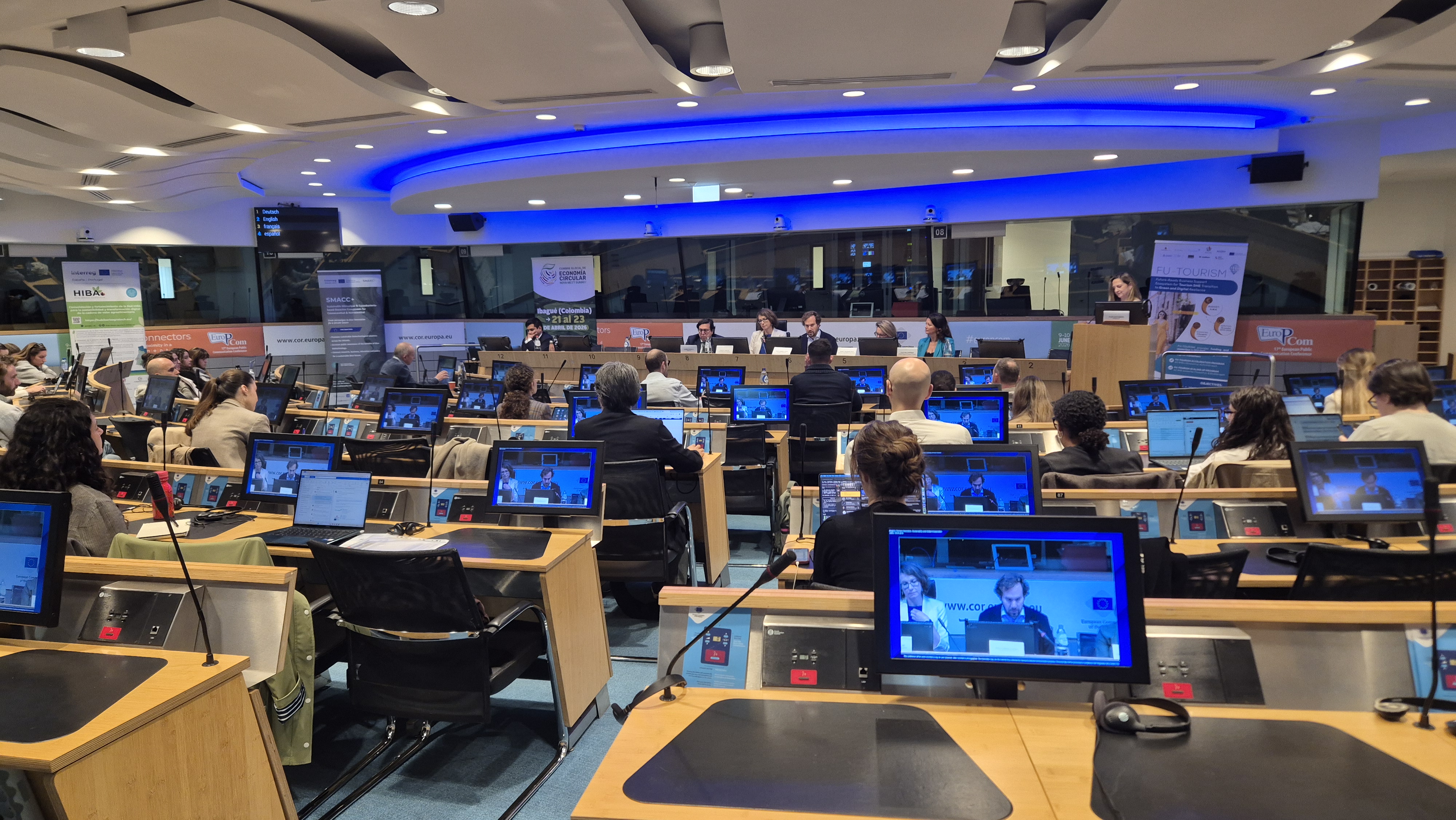
Tourism calls for a stronger place on the European agenda
- Representatives of European institutions, tourism organisations and experts discussed the challenges that will shape the future of tourism in Europe, from sustainability and digitalisation to resilience, competitiveness and support for SMEs.
- The conference was organised in the framework of FU-TOURISM, an EU-funded project supporting the green and digital transition of small and medium-sized tourism enterprises.
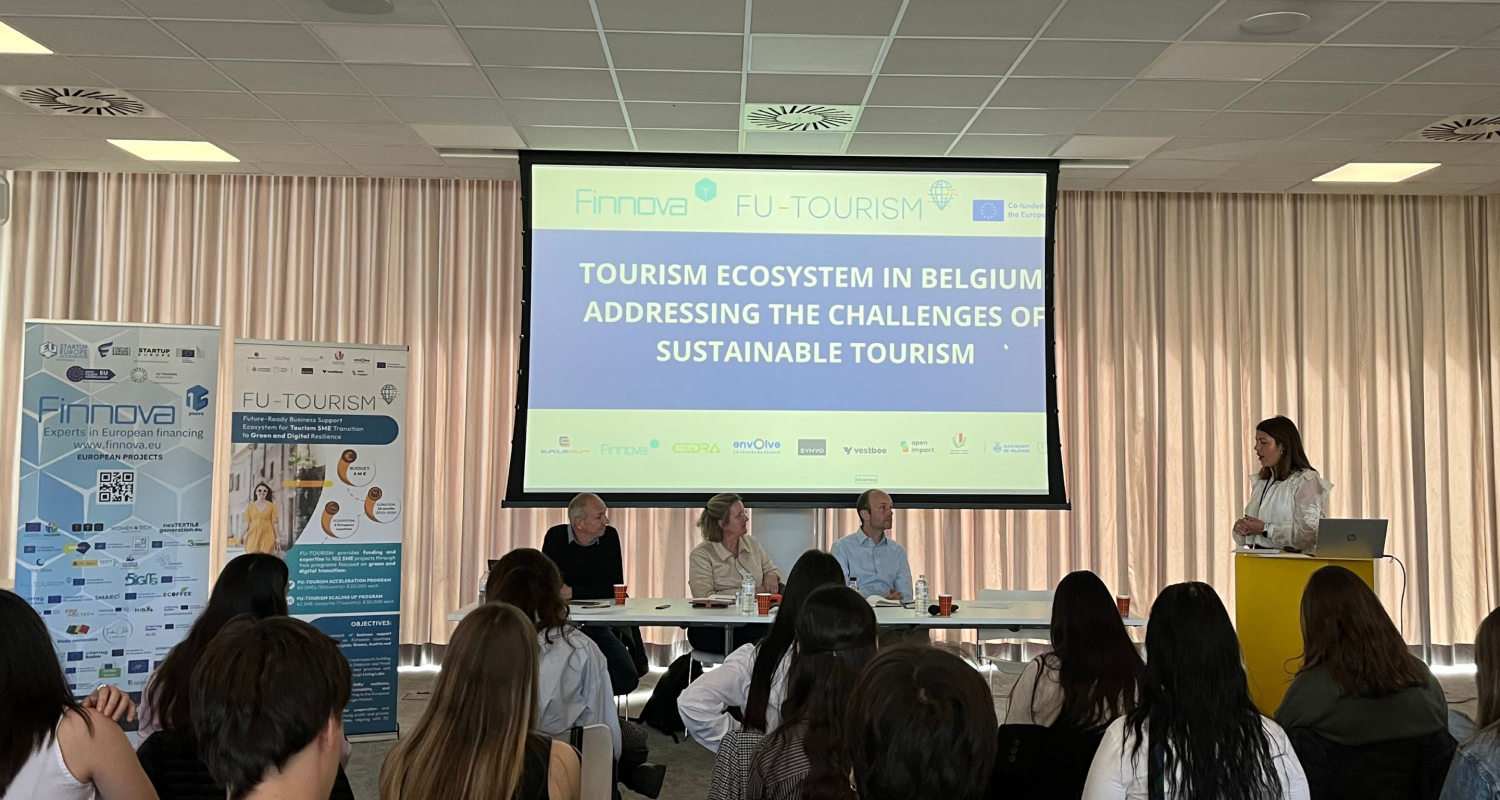
Brussels, 16 June 2026. Tourism must occupy a more prominent place on the European agenda if it is to successfully address the challenges that will shape the future of the sector. This was one of the main conclusions of the conference “FU-TOURISM: The Future of Tourism in European Regions and Cities”, held at the European Committee of the Regions in Brussels and bringing together representatives of European institutions, international organisations, innovative businesses, tourism destinations and regional stakeholders to discuss the future of a sector that accounts for 10.5% of EU GDP and supports more than 25 million jobs.
During the event, organised by Finnova Foundation, participants agreed on the need to strengthen the competitiveness of the sector and support tourism SMEs in addressing key challenges such as sustainability, digitalisation, skills shortages, climate change, connectivity and growing geopolitical tensions.
MEP Borja Giménez Larraz, member of the European Parliament’s Committee on Transport and Tourism (TRAN) and of the Parliament’s Tourism Task Force, stressed the need to reinforce the role of tourism as an “irreplaceable pillar of the European Union” within EU priorities. He also called for a dedicated tourism budget line within the EU’s Multiannual Financial Framework and highlighted the importance of tourism ahead of the presentation of the European Commission’s first Sustainable Tourism Strategy.
During his intervention, he recalled that SMEs account for 90% of businesses operating in the tourism sector and stressed that EU legislation should enable them to adapt to new requirements while remaining competitive. In this context, he defended “a quality tourism model that takes into account residents’ well-being, the creation of skilled jobs and the strengthening of local economies”.
“The real challenge does not lie in the future of tourism in Europe, which we do not doubt, but in managing it properly,” he stated.
Participants also identified a number of key challenges facing the sector, including the impact of geopolitical crises on tourism flows, adaptation to climate change, shortages of qualified professionals, the need to improve destination management and the opportunities offered by digitalisation and emerging technologies.
Juan Manuel Revuelta, CEO of Finnova Foundation, highlighted the strategic importance of tourism for Europe’s economy, regions and local communities. He stressed the need to support tourism SMEs through innovation, access to European funding and stronger cooperation between institutions, businesses and destinations in order to accelerate the sector’s green and digital transition.
Dorota Tomalak, representative of the European Committee of the Regions, highlighted “the importance of strengthening cooperation between European institutions and national, regional and local authorities to drive the green and digital transition of tourism”.
Isabel Yglesias, member of the European Economic and Social Committee (EESC) and Director for European Affairs at the Spanish Confederation of Business Organisations (CEOE), highlighted the need to advance towards “regenerative tourism models capable of generating tangible benefits for local communities, the economy and the environment”. She also stressed the importance of supporting tourism businesses, particularly SMEs, in addressing the challenges arising from the green and digital transitions.
From a global perspective, Lola Uña Cárdenas, representative of the World Travel & Tourism Council (WTTC), focused on “the resilience demonstrated by the sector in recent years and the need to strengthen public-private cooperation to address future crises”. She also highlighted “the potential of technology to improve visitor experiences, optimise destination management and enhance tourism competitiveness”.
The conference also featured representatives of the Belgian tourism ecosystem, Bruno Bin from visit.brussels and Vincent Nijs from Toerisme Vlaanderen, who shared insights on smart destination management, data-driven decision-making and the importance of balancing visitor experiences with residents’ quality of life.
The event also gave a voice to innovative Belgian SMEs, including BookBetter, COSH! and Camprea, which showcased practical solutions to promote more sustainable travel choices, circular consumption models and smart management tools for tourism destinations. Their contributions highlighted the key role that SMEs can play in accelerating the green and digital transition of the tourism sector while strengthening the competitiveness and resilience of European destinations.
The event included a session on European funding opportunities for the tourism sector led by Juan Viesca, Director of European Funds at Finnova Foundation. The session explored the outlook for EU funding programmes for the 2028–2034 period and the opportunities available for SMEs, start-ups and tourism organisations interested in developing innovative projects. International cooperation initiatives and tourism models linked to the circular economy and destination regeneration were also presented.
The event also featured a presentation by Milton Restrepo, Director of the Global Circular Economy Summit, who presented the new Startup Europe Awards challenge in Sustainable Tourism. The awards will be presented at the next Global Circular Economy Summit, to be held in September 2027 in the Colombian city of Ibagué.
About FU-TOURISM
FU-TOURISM is a European project funded under the Single Market Programme (SMP-COSME) that supports the green and digital transition of tourism SMEs through training, mentoring, innovation and business cooperation. The project brings together partners from seven European countries and promotes innovative solutions to strengthen the competitiveness and sustainability of the European tourism ecosystem.